 Pocket Pawns
GameDB AI label
AI in 5 of 8 areas- In-game AINot used
- CodeCore
- ArtCore
- Music & SFXCore
- VoiceNot stated
- WritingCore
- TranslationCore
- MarketingNot stated
AI tools wrote the game's code with Noble Apprentice.
Chess pieces, board and environment art came from AI image generators plus CC0 packs; an AI language model coded pixel art, props, UI, 3D rooms and animation.
The soundtrack is from an AI music generator, and an AI language model made the sound effects in code.
AI tools wrote the game's writing with Noble Apprentice.
An AI language model translated the game into ten languages.
- Not used, per the developer
- In-game AI
- Not mentioned
- VoiceMarketing
Read the full disclosureQuoted from the Steam store page
Pocket Pawns was made with the help of generative AI, and the game’s own credits name every tool used.
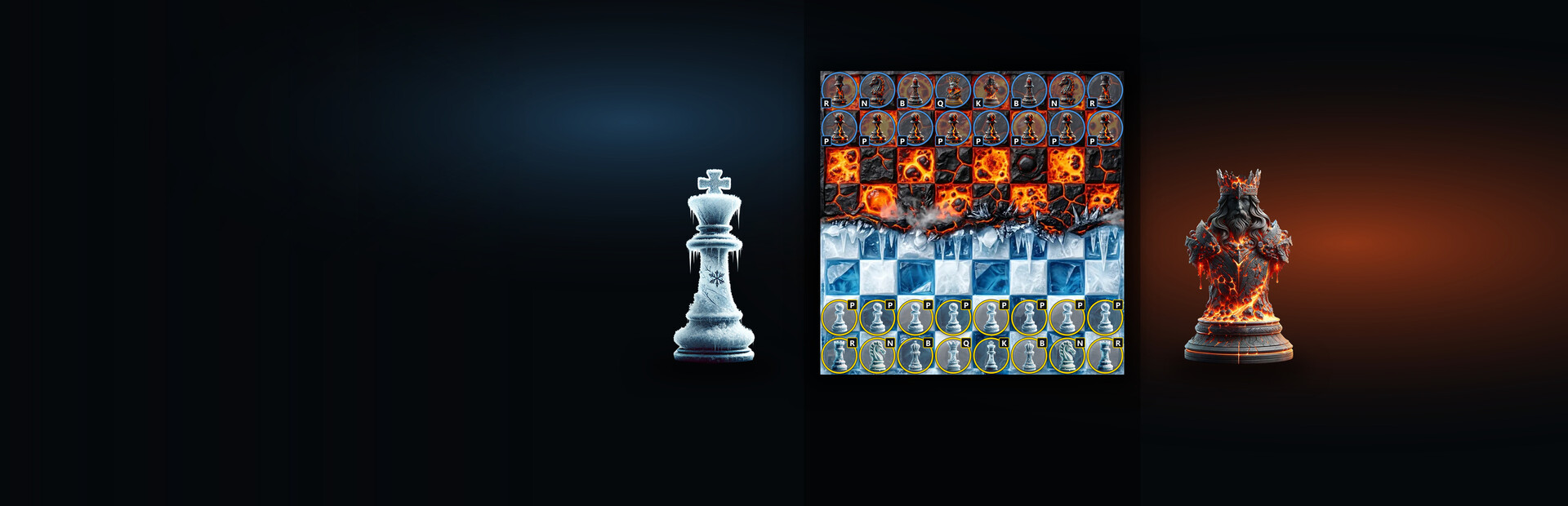
Images and music: the chess piece art was generated with ChatGPT, the board art with Gemini, and the world and environment art from assets created with Nano Banana Pro alongside free-to-use CC0 packs found online. The soundtrack is from Suno.
Code and writing: Claude and Codex wrote the game’s code and writing with Noble Apprentice, and Claude translated it into ten languages. Claude also made much of what you see and hear directly in code rather than with an image generator: the character pixel art, the in-world props and interface, the three-dimensional rooms, the animation, and the sound effects.
The chess itself is not generated. The puzzles come from the Lichess puzzle database, released under CC0, and your opponent is Stockfish, a classical open-source chess engine. Real positions, a real engine.
Nothing is generated while you play. Pocket Pawns creates no content at runtime and never connects to an AI service. It does not need an internet connection to play.