 Wizard Disaster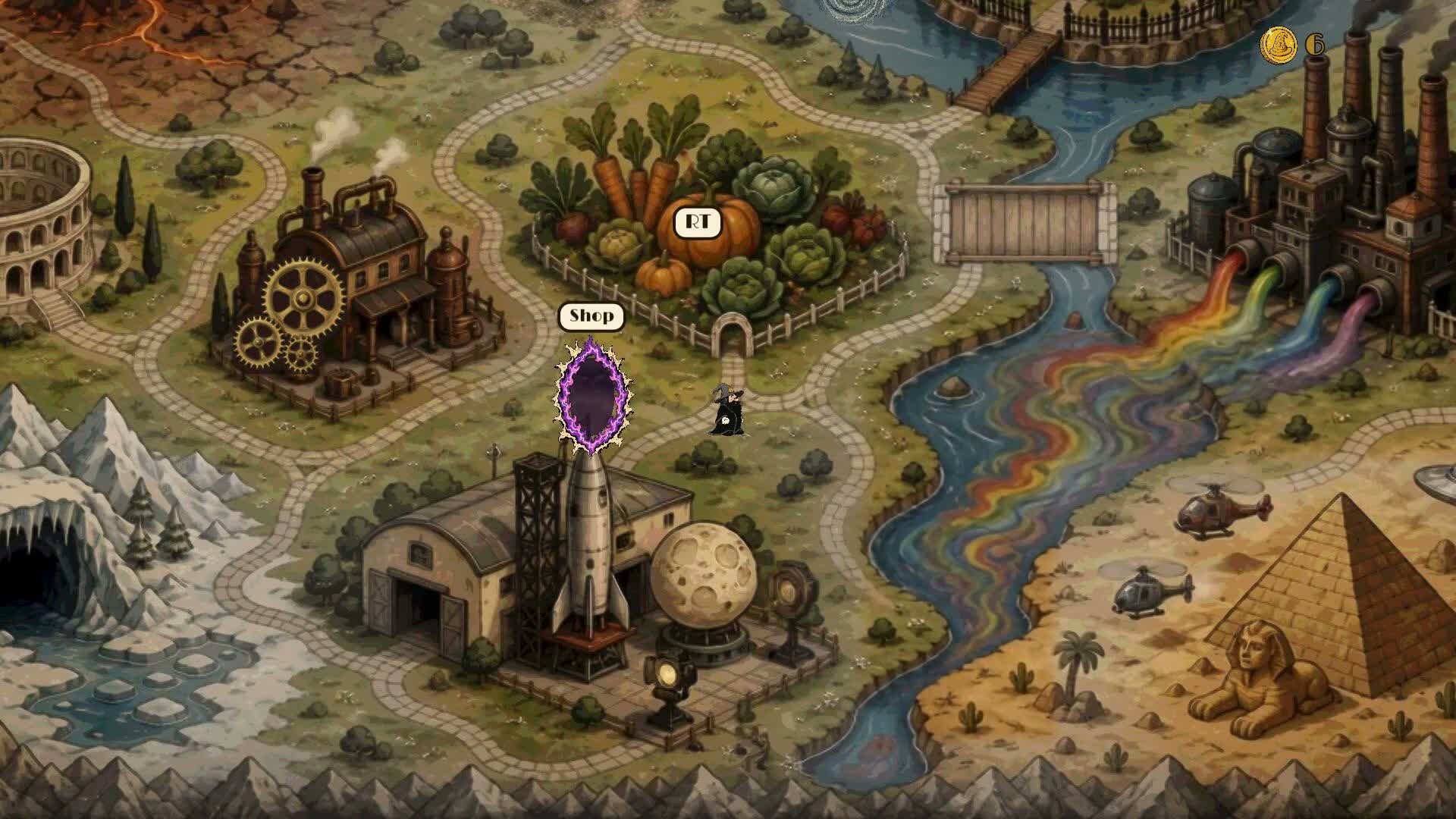
GameDB AI label
AI in 3 of 8 areas- In-game AINot used
- CodeAssist
- ArtCore
- Music & SFXCore
- VoiceNot used
- WritingNot stated
- TranslationNot stated
- MarketingNot stated
Character, boss and background art and animation source frames came from generative image and video tools, then were cut, keyed and composited by hand.
The music and most sound effects were generated with an AI music generator and edited to fit; some effects are synthesized procedurally in code.
Generative AI was a programming assistant and built dev-only test harnesses for boss pacing, damage output and medal times.
- Not used, per the developer
- In-game AIVoice
- Not mentioned
- WritingTranslationMarketing
Read the full disclosureQuoted from the Steam store page
Wizard Disaster was made by a solo developer, using generative AI tools as part of the production pipeline.
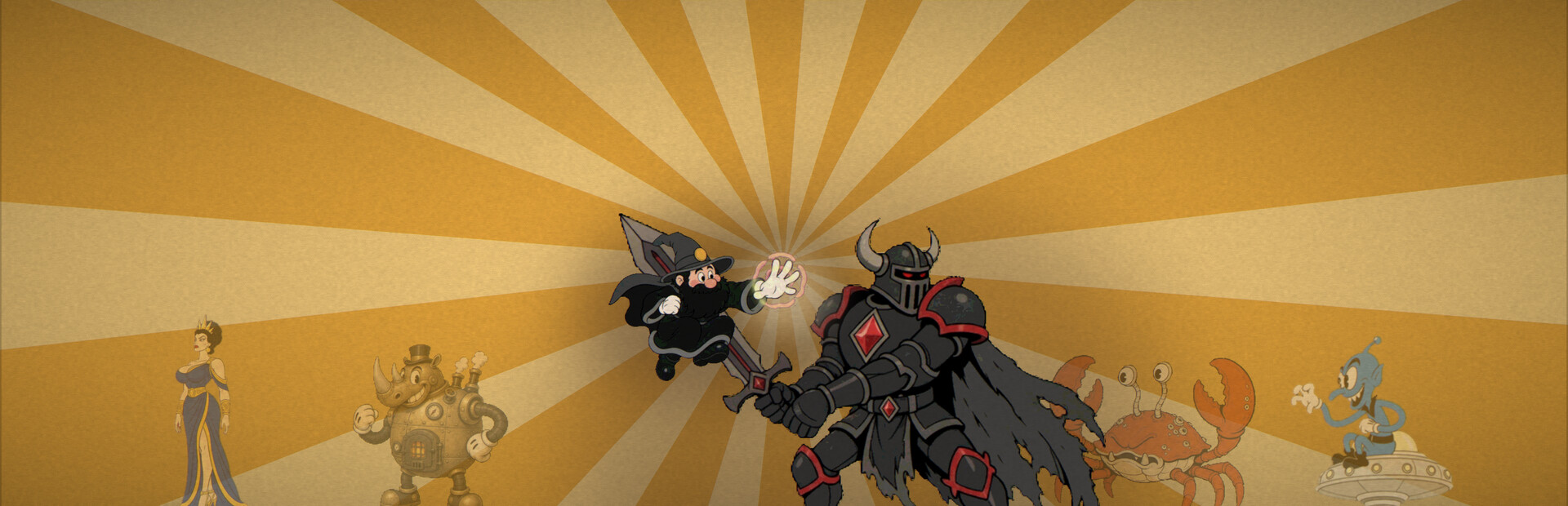
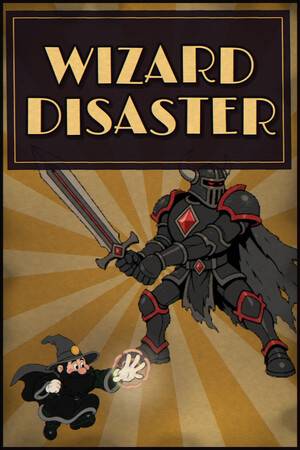
Art. Character, boss and background artwork, and the source frames the animations are built from, were produced with generative image and video tools. Everything was then cut, keyed, aligned, retimed and composited by hand into the sheets the game actually plays. The generated output is the raw material, not the finished asset. Concept passes were made the same way.
Audio. The music and most of the sound effects were generated with Suno, then trimmed, pitched, levelled and fitted to the length of the action each one accompanies. Not all of the audio is generated: a number of the effects are synthesised procedurally in code from a 1930s orchestra-pit palette, and the wizard's own voice (his cries and shouts) are human recordings.
Code. Generative AI was used as a programming assistant during development, and to build and run the automated test harnesses that measure boss pacing, damage output and medal times. Those harnesses are development-only tooling and are not part of the shipped game.
The game contains no live-generated AI content. Nothing is generated while you play, and the game makes no network or AI service calls at runtime.